


A damaged or infected tooth can cause persistent pain, sensitivity, swelling, or discomfort while eating. Ignoring these symptoms may allow the problem to become more serious and potentially affect the surrounding tissues. Root Canal Treatment is a dental procedure used to treat infection or inflammation inside a tooth while helping preserve the natural tooth.
Many people feel nervous when they hear the words “root canal,” but modern dental techniques and appropriate anesthesia can make the procedure much more comfortable than many patients expect.
What Is Root Canal Treatment?
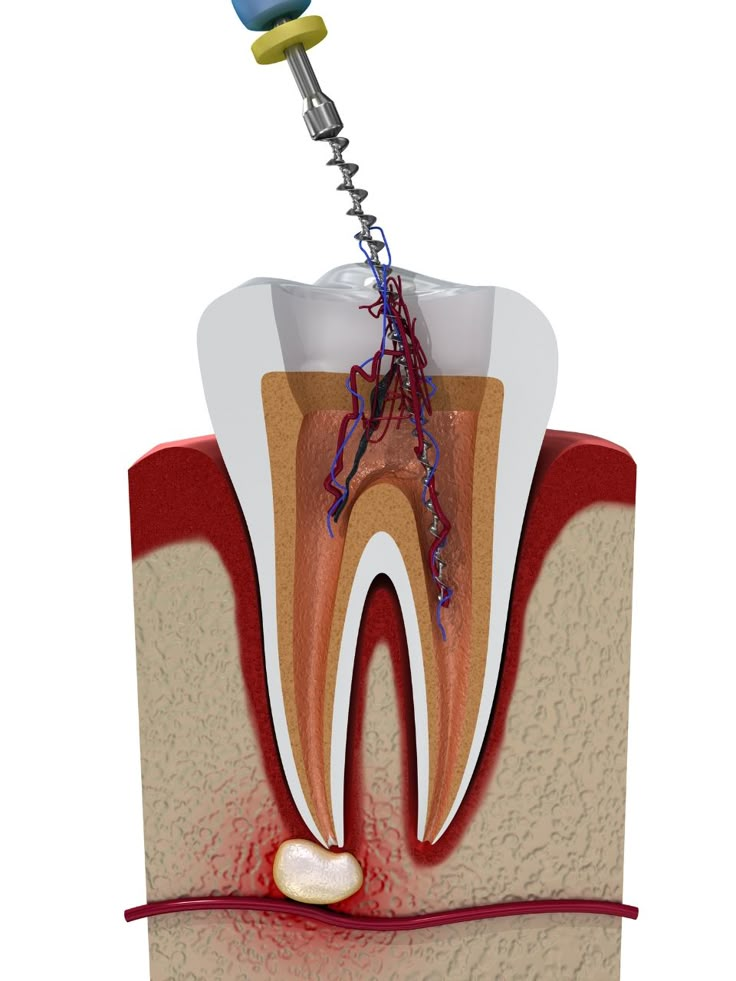
Root Canal Treatment is a procedure performed to remove infected or inflamed tissue from inside a tooth. The inside of a tooth contains soft tissue known as the pulp, which contains nerves and blood vessels.
When deep decay, cracks, trauma, or other problems allow bacteria to reach the pulp, infection or inflammation can develop. A dentist can clean and disinfect the affected area, fill the space, and seal the tooth to help prevent further infection.
When Is a Root Canal Needed?
A dentist may recommend root canal therapy when the pulp inside a tooth becomes infected or significantly inflamed. Common symptoms can include:
- Persistent toothache
- Sensitivity to hot or cold
- Pain while chewing
- Swelling around the tooth
- Tender or irritated gums
- Darkening or discoloration of a tooth
- A recurring dental infection
However, symptoms can vary, and some teeth requiring treatment may not cause obvious pain. A dental examination and appropriate imaging are needed to determine the cause of the problem.
Common Causes of Tooth Infection
Several dental problems can lead to pulp damage. Deep tooth decay is one of the most common causes. A cracked or damaged tooth can also allow bacteria to reach the inner part of the tooth.
Previous dental procedures or an injury to the tooth may sometimes contribute to pulp problems. Maintaining good oral hygiene and attending regular dental check-ups can help reduce the risk of advanced tooth decay and other dental complications.
How Does a Root Canal Procedure Work?
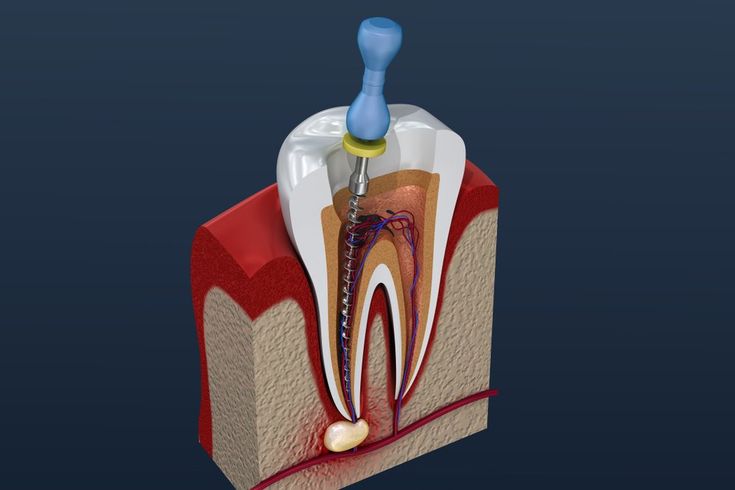
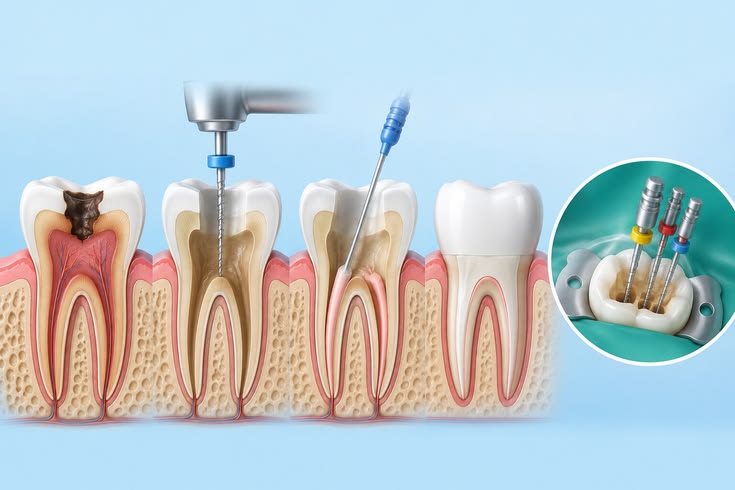
The Root Canal Procedure usually begins with a dental examination and X-ray or other appropriate imaging. The dentist uses local anesthesia to numb the area and improve patient comfort.
An opening is made in the affected tooth so the dentist can access the infected or inflamed pulp. The damaged tissue is removed, and the inside of the tooth is carefully cleaned and disinfected.
The cleaned space is then filled and sealed. Depending on the condition and strength of the tooth, a dental crown may be recommended afterward to protect and restore the tooth.
The number of appointments required depends on the complexity of the case and the patient’s individual dental condition.
Benefits of Root Canal Treatment
One of the major benefits of Root Canal Treatment is that it can allow a natural tooth to be preserved rather than removed when the tooth is otherwise restorable.
Potential benefits include:
- Helping relieve infection-related dental pain
- Preserving the natural tooth
- Restoring chewing function
- Preventing the infection from progressing
- Supporting better long-term oral function
Your dentist will determine whether root canal treatment is appropriate after examining the tooth.
What to Expect After Treatment
Some temporary sensitivity or discomfort may occur after treatment. Following your dentist’s instructions can help support recovery.
Avoid putting excessive pressure on a treated tooth until your dentist advises that normal use is appropriate, particularly if the final restoration has not yet been placed. Maintain good oral hygiene and attend your follow-up appointment as recommended.
If severe or persistent pain, swelling, or other unusual symptoms occur, contact your dentist promptly.
Why Choose Professional Root Canal Care?
Choosing an experienced Root Canal Dentist is important because accurate diagnosis, careful cleaning, proper sealing, and appropriate restoration all contribute to successful treatment.
If you are experiencing tooth pain or sensitivity, visiting a dental clinic early can help identify the underlying cause and prevent the problem from becoming more complicated.
FAQs About Root Canal Treatment
1. Is Root Canal Treatment painful?
The procedure is performed using local anesthesia to numb the area. Some temporary discomfort or sensitivity may occur after treatment, but your dentist can provide appropriate aftercare guidance.
2. How long does root canal treatment take?
Treatment time varies depending on the tooth, severity of infection, complexity of the case, and whether additional treatment is required.
3. Why is a crown sometimes needed after a root canal?
A tooth that has undergone root canal treatment may need additional protection. A crown can help restore the tooth’s shape and function and protect it from damage, depending on the dentist’s assessment.
4. Can a root canal save my natural tooth?
When the tooth is suitable for restoration, root canal treatment can help preserve the natural tooth by treating the infected or inflamed pulp.
5. When should I visit a dentist for tooth pain?
If tooth pain persists, becomes severe, or is accompanied by swelling, sensitivity, or difficulty chewing, schedule a dental examination. Early evaluation can help identify the cause and appropriate treatment.
Conclusion
Root Canal Treatment can be an important option for treating an infected or inflamed tooth while preserving the natural tooth when it is restorable. Persistent toothache, sensitivity, swelling, or pain while chewing should not be ignored.
If you are experiencing these symptoms, consult a qualified dentist for a proper examination. Early diagnosis and appropriate treatment can help protect your oral health and restore comfortable dental function.