
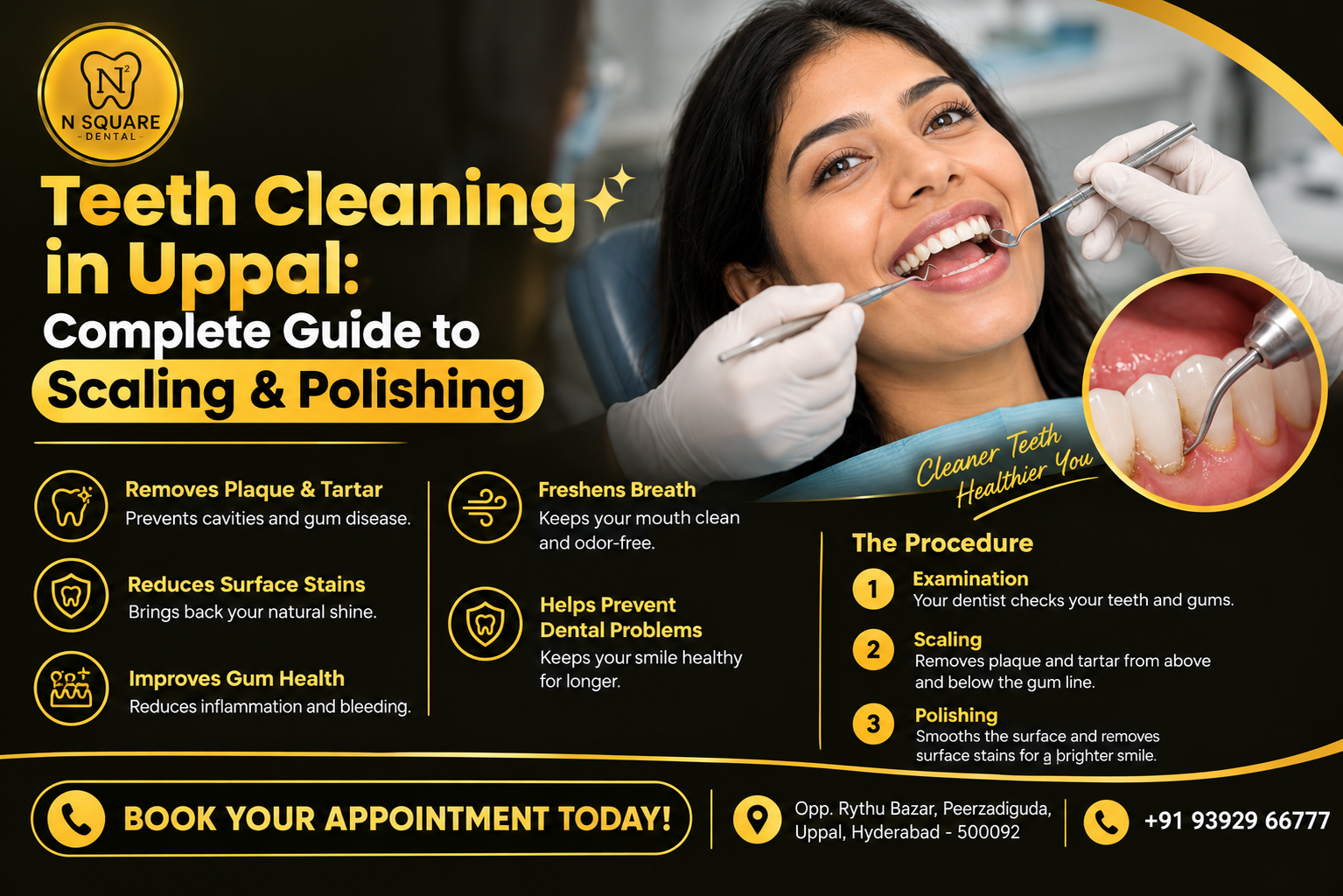
A clean and healthy smile is an important part of good oral health. Even with regular brushing and flossing, plaque and tartar can gradually build up on your teeth, particularly around the gumline and in areas that are difficult to reach with a toothbrush. Over time, this buildup can contribute to bad breath, gum inflammation, tooth staining and other dental problems.
Professional teeth cleaning in Uppal, commonly known as scaling and polishing, is a simple dental procedure designed to remove plaque, tartar and surface stains while helping maintain healthier teeth and gums.
In this guide, we explain what dental scaling and polishing involves, its benefits, who may need it, how often it should be done and what you can expect after the treatment.
What Is Teeth Cleaning or Dental Scaling and Polishing?
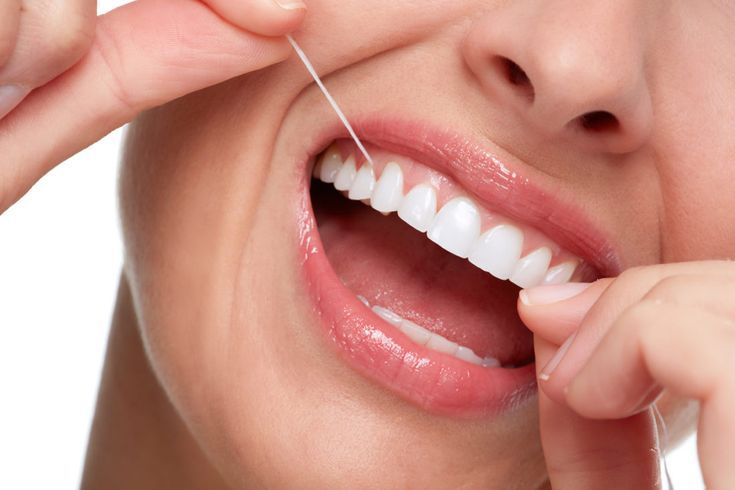
Teeth cleaning is a professional dental procedure performed to remove deposits that cannot be completely removed through normal brushing and flossing.
The treatment generally involves two main steps: scaling and polishing.
Dental Scaling
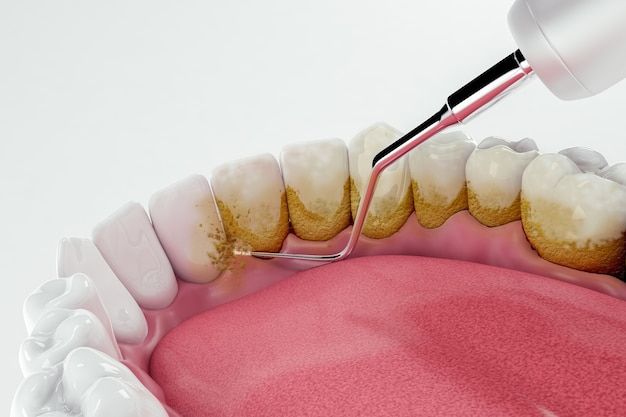
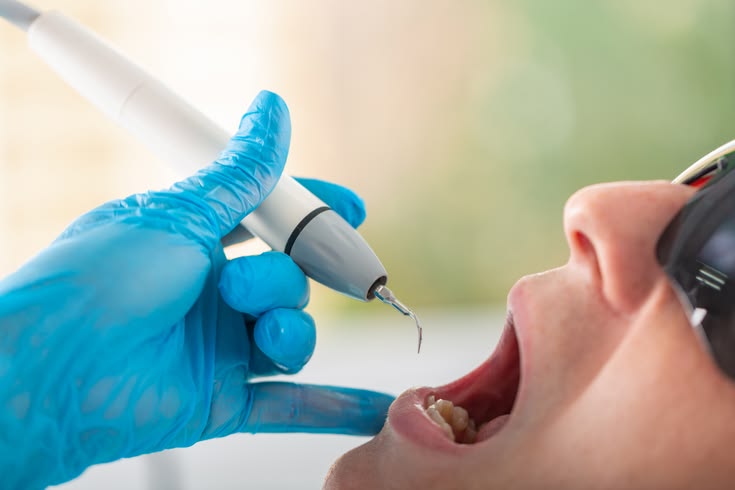
Scaling is the process of removing hardened plaque, also known as tartar or calculus, from the surface of the teeth and around the gumline. Dentists may use specialized ultrasonic instruments or dental hand instruments to carefully remove these deposits.
Tartar cannot usually be removed effectively with a regular toothbrush. Professional scaling helps clean areas where plaque has hardened and accumulated.
Dental Polishing
After scaling, polishing is performed to smooth the tooth surfaces and remove certain superficial stains. Polishing can leave the teeth feeling smoother and cleaner.
The procedure does not replace regular brushing. Instead, it complements your daily oral hygiene routine and helps maintain a cleaner oral environment.
Why Is Professional Teeth Cleaning Important?
Plaque is a sticky layer of bacteria that constantly forms on teeth. When plaque is not removed properly, it can harden into tartar. As tartar accumulates, it can irritate the gums and contribute to gum problems.
Regular professional teeth cleaning in Uppal can help remove these deposits before they become more difficult to manage.
Some common reasons people choose professional dental cleaning include:
- Removal of plaque and tartar
- Reduction of surface stains
- Fresher breath
- Better gum hygiene
- Cleaner-looking teeth
- Support for overall oral hygiene
- Early identification of potential dental problems
Professional cleaning also gives your dentist an opportunity to examine your teeth and gums and identify concerns that may require further treatment.
Benefits of Teeth Cleaning and Polishing
1. Removes Plaque and Tartar
One of the biggest advantages of scaling is the removal of hardened tartar. Brushing and flossing are essential, but they cannot always remove deposits that have firmly attached themselves to tooth surfaces.
2. Helps Maintain Healthy Gums
Plaque and tartar around the gumline can irritate the gums. Professional cleaning helps remove these deposits and supports better gum hygiene.
3. Helps Reduce Bad Breath
Bacteria and accumulated plaque can contribute to unpleasant breath. Removing these deposits can help improve oral freshness when poor oral hygiene is contributing to the problem.
4. Removes Some Surface Stains
Polishing can help reduce certain external stains caused by foods and beverages. However, scaling and polishing are different from professional teeth whitening and may not remove deeper discoloration.
5. Makes Teeth Feel Smoother
After polishing, many patients notice that their teeth feel smoother when they run their tongue over them. Smooth tooth surfaces can also make it more difficult for plaque to accumulate quickly.
6. Supports Preventive Dental Care
Regular dental cleaning is part of preventive oral care. It can help maintain oral hygiene while allowing your dentist to monitor changes in your teeth and gums.
Who Should Consider Teeth Cleaning?
Professional dental cleaning may be recommended for people who have visible tartar, plaque buildup, gum irritation or staining.
It can also be useful for people who have difficulty cleaning certain areas of their mouth effectively.
Your dentist may recommend a cleaning schedule based on your oral health, gum condition, hygiene habits and risk factors. Some people may require professional cleaning more frequently than others.
If you notice bleeding gums, persistent bad breath, excessive tartar or changes in your gums, it is a good idea to schedule a dental examination.
What Happens During Scaling and Polishing?
A typical dental cleaning appointment is straightforward.
Step 1: Dental Examination
The dentist first examines your teeth and gums to assess plaque, tartar, stains and overall oral health.
Step 2: Scaling
Specialized dental instruments are used to remove tartar and plaque deposits from the teeth. The dentist works carefully around the gumline and other areas where deposits have accumulated.
Step 3: Polishing
Once the teeth have been cleaned, a polishing procedure is performed to smooth the tooth surfaces and remove certain superficial stains.
Step 4: Oral Hygiene Advice
Your dentist may provide personalized advice about brushing, flossing, interdental cleaning and other oral hygiene practices.
The exact duration of the appointment depends on the amount of plaque and tartar present and the overall condition of your teeth and gums.
Is Teeth Scaling Painful?
For most people, routine scaling and polishing is well tolerated. However, some patients may experience temporary sensitivity, particularly if they have sensitive teeth, inflamed gums or significant tartar buildup.
You may also notice mild gum tenderness after the procedure. These effects are generally temporary.
If you have significant sensitivity or gum problems, inform your dentist before the procedure. Your dentist can assess your condition and determine the most comfortable approach.
What Should You Do After Teeth Cleaning?
Following a professional cleaning, maintaining good oral hygiene is important.
You should:
- Brush your teeth twice a day using fluoride toothpaste.
- Clean between your teeth regularly.
- Follow your dentist’s oral hygiene recommendations.
- Limit frequent consumption of sugary foods and drinks.
- Stay hydrated.
- Attend regular dental checkups.
- Avoid habits that can contribute to staining or poor oral health.
Your dentist may provide additional recommendations depending on your individual needs.
How Often Should You Get Teeth Cleaning?
There is no single cleaning schedule that is appropriate for everyone.
Some people may benefit from routine professional cleaning as part of their regular dental visits, while people with significant tartar buildup or gum problems may need more frequent appointments.
Your dentist can recommend an appropriate schedule after examining your teeth and gums.
Remember that professional cleaning does not replace daily oral care. Brushing, interdental cleaning and regular dental examinations remain essential.
Teeth Cleaning vs Teeth Whitening: What’s the Difference?
Teeth cleaning and teeth whitening are not the same treatment.
Scaling and polishing primarily focus on removing plaque, tartar and certain external stains from the teeth.
Teeth whitening is a cosmetic procedure designed to lighten the color of teeth using specific whitening agents.
If your teeth look yellow or stained, a dentist can examine the cause of the discoloration and recommend the most appropriate treatment.
Why Choose Professional Dental Cleaning in Uppal?
Choosing a dental clinic for professional cleaning means you can have your teeth and gums assessed at the same time. Rather than simply treating visible stains, a dental professional can check for plaque accumulation, tartar, gum inflammation and other oral health concerns.
If you are searching for dental cleaning in Uppal, consider a clinic that provides professional dental care, appropriate diagnostic evaluation and personalized oral hygiene guidance.
A professional approach can help make teeth cleaning more than just a cosmetic procedure—it can become an important part of your long-term preventive dental care.
Take the Next Step Towards a Cleaner, Healthier Smile
Regular brushing and flossing are the foundation of good oral hygiene, but they may not completely remove hardened tartar and deposits. Professional teeth cleaning in Uppal through scaling and polishing can help maintain cleaner teeth and healthier gums.
If you have visible tartar, stained teeth, bad breath, bleeding gums or have not had a professional dental cleaning recently, consider scheduling a dental examination. Your dentist can evaluate your oral health and recommend whether scaling and polishing is appropriate for you.
A clean smile starts with consistent daily care and professional dental guidance.
Frequently Asked Questions About Teeth Cleaning
1. What is teeth cleaning?
Teeth cleaning is a professional dental procedure that removes plaque, tartar and certain surface stains from the teeth. It commonly involves scaling followed by polishing.
2. What is dental scaling and polishing?
Dental scaling removes hardened plaque and tartar from the teeth, while polishing smooths the tooth surfaces and helps remove certain superficial stains.
3. Is teeth scaling safe?
When performed by a qualified dental professional, routine scaling is generally considered a safe dental procedure. Your dentist will assess your oral health before treatment.
4. Can scaling remove yellow teeth?
Scaling and polishing can remove some external stains and deposits that make teeth appear yellow. However, it does not whiten the natural tooth color in the same way as professional teeth whitening.
5. How often should I get professional teeth cleaning?
The recommended frequency depends on your oral health, tartar buildup, gum condition and individual risk factors. Your dentist can recommend a suitable schedule.
6. Does teeth cleaning hurt?
Most routine cleaning procedures are well tolerated. Some patients may experience temporary sensitivity or gum tenderness, especially when there is significant tartar buildup or gum inflammation.
7. Can teeth cleaning prevent gum disease?
Professional cleaning helps remove plaque and tartar, which are important contributors to gum problems. However, maintaining good daily oral hygiene and attending dental checkups are also essential.
8. What should I do after scaling and polishing?
Continue brushing twice daily, clean between your teeth, follow your dentist’s recommendations and maintain regular dental checkups. If you experience unusual or persistent discomfort, contact your dentist.
Conclusion
Professional teeth cleaning through scaling and polishing is an important part of preventive oral care. It helps remove plaque, tartar and certain surface stains while supporting healthier gums and cleaner teeth.
If you are looking for teeth cleaning in Uppal, a dental examination can help determine whether scaling and polishing is suitable for your current oral health. Combined with consistent brushing, interdental cleaning and regular dental visits, professional cleaning can help you maintain a healthier and more confident smile.