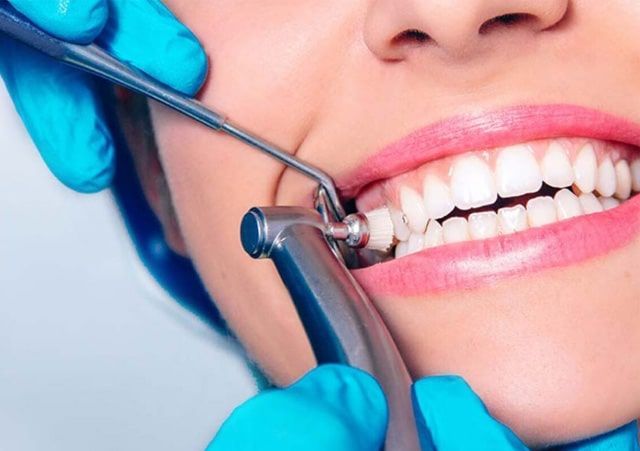

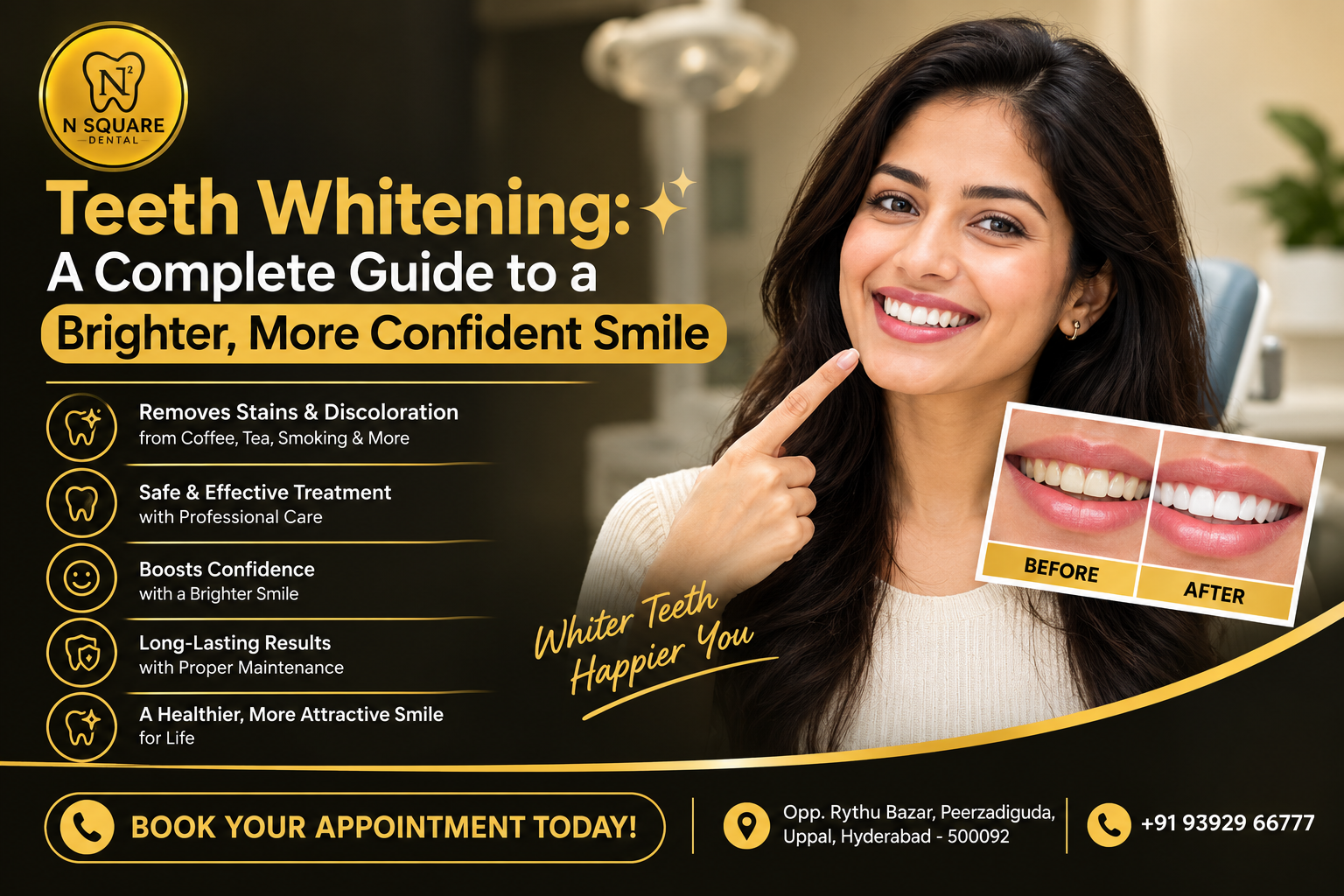
A bright, healthy-looking smile can make a big difference in your confidence and appearance. Over time, teeth can become yellow or stained because of coffee, tea, tobacco, certain foods, aging, and poor oral hygiene. Fortunately, teeth whitening is a simple and popular cosmetic dental treatment that can help improve the appearance of stained or discolored teeth.
Whether you are preparing for a special occasion or simply want to feel more confident when you smile, understanding your whitening options can help you choose the right treatment.
What Is Teeth Whitening?
Teeth whitening is a cosmetic dental treatment designed to lighten the natural color of teeth and remove or reduce stains. Professional whitening treatments generally use bleaching agents such as hydrogen peroxide or carbamide peroxide to break down stains on the teeth.
The treatment does not permanently change the natural color of your teeth. Instead, it helps reduce discoloration and can make your smile appear several shades brighter, depending on the condition of your teeth and the treatment used.
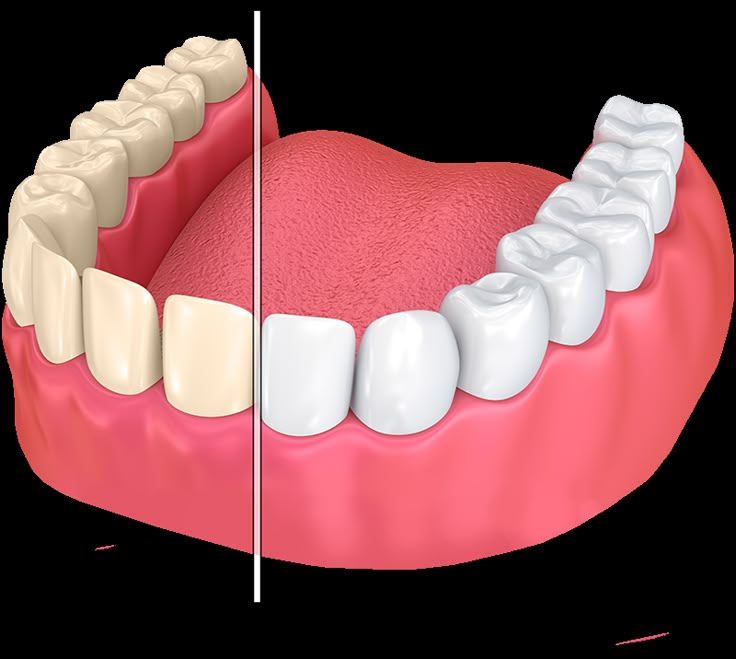
What Causes Teeth Discoloration?
Teeth can become discolored for several reasons. Some common causes include:
- Regular consumption of coffee, tea, and soft drinks
- Smoking or tobacco use
- Foods that contain strong pigments
- Poor oral hygiene
- Natural aging
- Certain medications
- Tooth trauma or internal discoloration
Some stains are located on the surface of the teeth, while others develop deeper within the tooth. The type and cause of discoloration can influence which teeth whitening treatment is most suitable.
Types of Teeth Whitening
There are several ways to whiten teeth. The most suitable option depends on your dental condition, the type of staining, and your desired results.
Professional Teeth Whitening
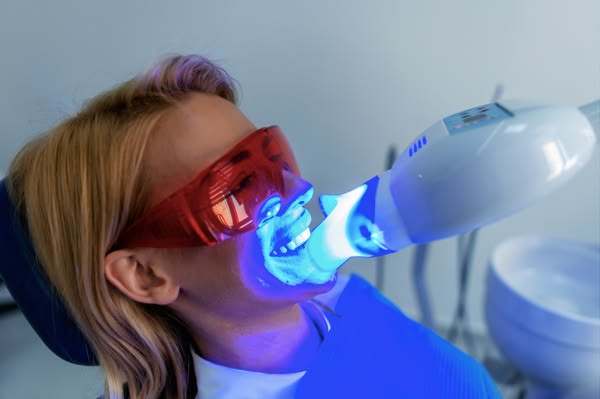
Professional teeth whitening is performed or supervised by a qualified dental professional. A dentist can examine your teeth and gums before treatment and select an appropriate whitening method.
Professional treatment can provide noticeable results in a relatively short period. It is particularly useful for people who want a brighter smile before an important event.
Take-Home Whitening
Take-home whitening systems may include customized trays and professional whitening gel. Your dentist provides instructions on how to use the trays safely at home.
This option allows you to whiten your teeth gradually while following a dentist-recommended treatment plan.
Over-the-Counter Whitening Products
Whitening toothpastes, strips, gels, and other products are widely available. These products may help reduce some surface stains, but their results can vary.
If you have significant discoloration, consulting a teeth whitening dentist before choosing a product can help you understand whether it is appropriate for your teeth.
Benefits of Teeth Whitening
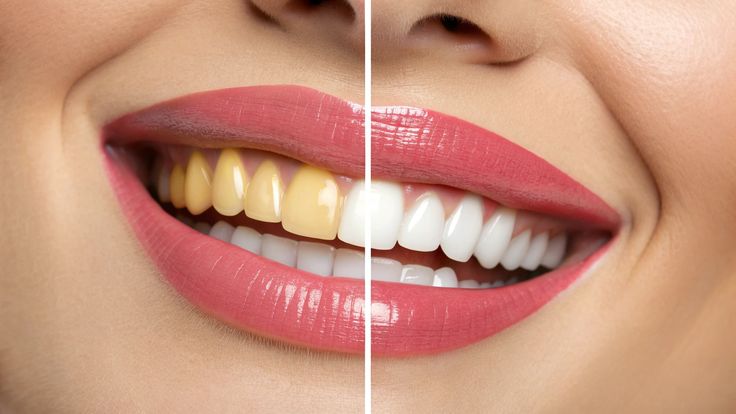
One of the main benefits of teeth whitening is that it can improve the appearance of your smile without changing the shape or structure of your natural teeth.
Other potential benefits include:
- A brighter-looking smile
- Improved confidence
- Reduction of certain surface stains
- A more refreshed appearance
- Professional guidance during treatment
However, whitening is a cosmetic procedure and does not replace regular dental cleaning, brushing, flossing, or other preventive dental care.
Is Teeth Whitening Safe?
When performed correctly and according to professional instructions, teeth whitening treatment is generally considered safe for suitable patients. Some people may experience temporary tooth sensitivity or mild gum irritation during or after whitening.
The risk of sensitivity can depend on the whitening product, concentration, treatment duration, and individual dental condition.
Before beginning a teeth whitening procedure, it is important to have your teeth and gums checked by a dentist. Cavities, cracked teeth, gum problems, or other oral health conditions may need treatment before cosmetic whitening.
How Long Do Whitening Results Last?
The results of whitening are not permanent. How long they last depends on your diet, oral hygiene habits, tobacco use, and the type of whitening treatment you receive.
To maintain your brighter smile, consider limiting foods and drinks that can cause staining. Regular brushing, flossing, professional dental cleanings, and routine dental check-ups can also help maintain your results.
What Is the Cost of Teeth Whitening?
The teeth whitening cost can vary depending on the type of treatment, the dental clinic, the whitening system used, and the number of sessions required. Professional treatments may have a higher initial cost than over-the-counter products, but they offer the advantage of dental evaluation and professional supervision.
Instead of choosing a treatment based only on price, consider the safety, suitability, expected results, and professional guidance involved.
How to Keep Your Teeth Looking Whiter
After completing whitening treatment, simple habits can help maintain your smile:
- Brush your teeth twice a day with fluoride toothpaste.
- Floss regularly to remove plaque between teeth.
- Reduce frequent consumption of coffee, tea, and staining foods.
- Avoid tobacco products.
- Drink water after consuming strongly colored foods or drinks.
- Visit your dentist regularly for check-ups and professional cleaning.
When Should You Consider Teeth Whitening?
If you are unhappy with yellow or stained teeth, teeth whitening may be an option worth discussing with your dentist. A dental examination can determine the cause of discoloration and whether whitening is likely to provide the results you want.
Remember that every smile is different. A professional evaluation can help you choose between in-office whitening, take-home options, or other cosmetic dental treatments.
FAQs About Teeth Whitening
1. What is teeth whitening?
Teeth whitening is a cosmetic dental treatment that helps remove or reduce stains and discoloration, making your natural teeth look brighter.
2. Is professional teeth whitening safe?
Yes. When performed or supervised by a qualified dentist, professional teeth whitening is generally safe. Some people may experience temporary tooth sensitivity or mild gum irritation.
3. How long does teeth whitening take?
The treatment time depends on the whitening method used. In-office professional whitening can often be completed in a single dental visit, while take-home treatments may take several days or weeks.
4. How long do teeth whitening results last?
Results vary from person to person. Good oral hygiene and limiting staining foods and drinks can help maintain a brighter smile for longer.
5. Does teeth whitening remove all stains?
Whitening works best on many common surface and age-related stains. However, some deep or internal discoloration may not respond well to whitening and may require alternative cosmetic dental treatments.
Conclusion
A brighter smile can improve your confidence and make you feel more comfortable when you smile or interact with others. Teeth whitening is a popular cosmetic dental option for reducing certain types of tooth discoloration and achieving a brighter-looking smile.
For the safest and most suitable results, consult a qualified teeth whitening dentist before starting treatment. With the right treatment and good oral care habits, you can maintain a brighter, healthier-looking smile for longer.