


Missing teeth can affect more than just your smile. They can make chewing difficult, affect speech, change your bite, and impact your confidence. If you have lost one or more teeth, dental implants can be an effective option for replacing them and restoring oral function. Dental implants are designed to provide a stable foundation for replacement teeth. With proper planning and maintenance, they can offer a natural-looking and functional solution for people experiencing tooth loss.
What Are Dental Implants?
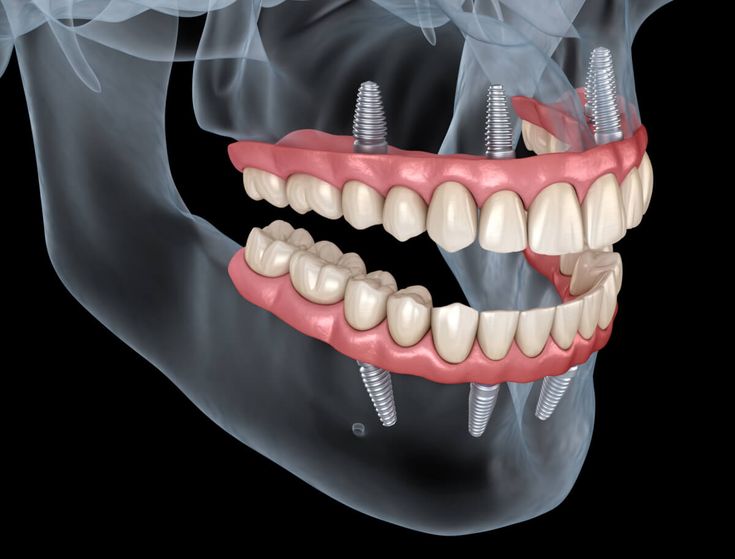
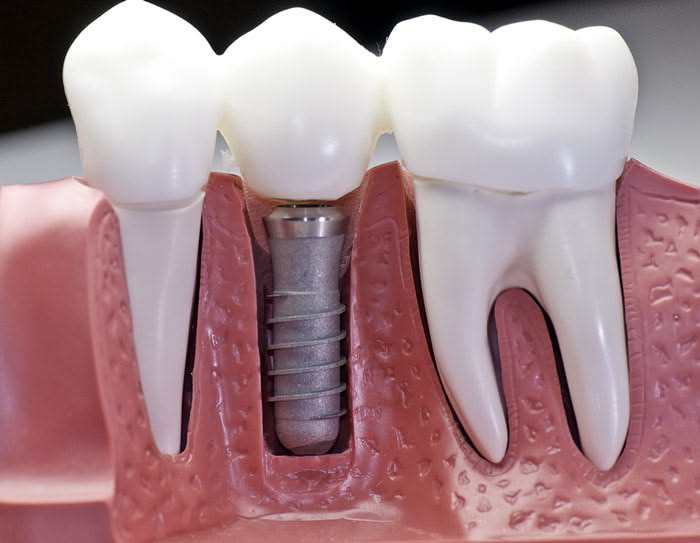
A dental implant is a small post, commonly made from titanium or another biocompatible material, that is placed into the jawbone. It acts as an artificial tooth root. Once the implant heals and integrates with the surrounding bone, it can support a replacement tooth such as a dental crown.
Unlike removable dentures, implants are fixed into the jawbone. This can provide improved stability while eating and speaking.
Why Are Dental Implants Needed?
Tooth loss can happen because of tooth decay, gum disease, dental injuries, or other oral health problems. Leaving a missing tooth untreated may affect the surrounding teeth and bite.
Replacing a missing tooth can help restore chewing ability and improve the appearance of your smile. In suitable patients, implants can also help maintain the bone around the area where a tooth has been lost.
Benefits of Dental Implants
One of the main reasons patients choose dental implants is their stability. They are designed to function as a fixed tooth replacement and can provide several benefits, including:
- Improved chewing and biting function
- Natural-looking appearance
- Greater stability compared with removable dentures
- Support for replacement teeth
- Improved confidence when smiling and speaking
- Help maintaining bone in the area of tooth loss
The results and suitability of treatment can vary between patients, so professional evaluation is important.
Who Can Get Dental Implants?
Many adults with missing teeth may be suitable candidates for dental implants. However, the dentist will first examine your gums, jawbone, bite, and overall oral health.
Adequate bone support is important because the implant needs a stable foundation. Patients with insufficient bone may require additional treatment before implant placement.
Active gum disease, poor oral hygiene, and certain health conditions can also affect treatment planning. Your dentist will discuss these factors during your consultation.
What Is the Dental Implant Procedure?
The dental implant procedure begins with a dental examination. Your dentist may use dental X-rays or 3D imaging to evaluate your jawbone and determine the appropriate treatment plan.
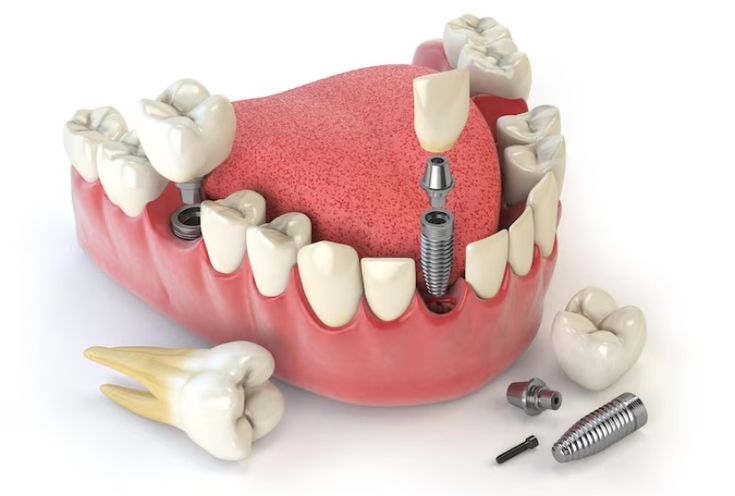
The implant is then placed into the jawbone. A healing period allows the implant to integrate with the surrounding bone. After successful healing, the replacement tooth can be attached.
The overall treatment time varies from person to person. Factors such as bone condition, healing, and the need for additional procedures can influence the timeline.
Are Dental Implants Painful?
Dental implant placement is performed using appropriate anesthesia to keep the procedure comfortable. Some patients may experience temporary soreness, swelling, or sensitivity after treatment.
Following your dentist’s aftercare instructions can help support a smooth recovery. If you experience persistent or worsening symptoms, contact your dentist for an evaluation.
How to Care for Dental Implants
Proper oral hygiene is essential for maintaining your implant and surrounding gums. Brush your teeth regularly and clean between your teeth according to your dentist’s recommendations.
Regular dental check-ups are also important. Your dentist can monitor the implant, gums, and surrounding teeth and identify potential problems early.
FAQs About Dental Implants
1. How long do dental implants last?
With proper oral hygiene, regular dental visits, and appropriate care, implants can provide a long-term tooth replacement solution. Their longevity varies depending on individual oral health and maintenance.
2. Are dental implants better than dentures?
Both options have advantages. Implants are fixed into the jawbone, while dentures are removable. Your dentist can recommend the appropriate solution based on your oral health and needs.
3. How long does dental implant treatment take?
The treatment timeline varies depending on healing, bone condition, the number of missing teeth, and whether additional procedures are needed.
4. What is the cost of dental implants?
The dental implant cost varies depending on factors such as the number of teeth being replaced, treatment complexity, materials, and any additional procedures required. A dentist can provide an accurate estimate after an examination.
5. Can anyone get dental implants?
Not everyone is an immediate candidate. Your dentist will assess your gums, bone support, oral hygiene, and overall health before recommending treatment.
Conclusion
Dental implants can provide a stable and natural-looking solution for people with missing teeth. They can help restore chewing function, improve smile aesthetics, and support better oral function.
If you are considering dental implants, schedule a consultation with a qualified dentist. A detailed examination can help determine whether implant treatment is suitable for you and allow your dentist to create a personalized treatment plan.